Why do people want to celebrate a birthday, what is the purpose of celebrating a birthday?
Even though our first breath at birth is to start life for us, we are not celebrating. This birthday is often celebrated by those who gave birth to us and their relatives. In fact, what is done and felt at the moment of our birth determines the meaning and importance of our next birthdays..
What is celebrated is not your new age, but the fact that you were born, that is, your existence.

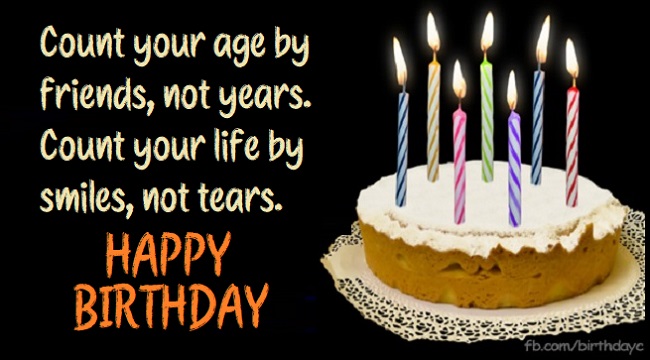
Happy Birthday. I Hope all your birthday wishes and dreams come true…
What Is a Birthday, and Why Is It Celebrated?
A birthday is the yearly anniversary of the day a person was born. In the United States, birthdays are a big deal—partly because they’re fun, partly because they mark time in a personal way, and partly because they give us a reason to pause and celebrate the people we care about. Whether it’s a big party, a quiet dinner, or a simple “Happy Birthday” text, the idea is the same: recognizing a life and the moments that make it meaningful.
What a Birthday Really Means
At its simplest, a birthday is a date on the calendar: the day you entered the world. But culturally, it’s much more than a number. A birthday is a checkpoint—an annual reminder that time is moving and that you’ve made it through another year of changes, challenges, surprises, and growth. For some people, it’s a fresh start and a chance to set new goals. For others, it’s a comfortingly familiar tradition: cake, candles, loved ones, and a little extra attention for one day.
In American life, birthdays also carry an emotional meaning. They can be a time to feel seen and appreciated. Even a small gesture—like a card with a thoughtful note—can say, “You matter to me.” That’s why many people care less about the size of the celebration and more about the feeling behind it.
Where Birthday Traditions Come From
People have marked birthdays in different ways for thousands of years, often connected to beliefs about luck, protection, and community. While modern American birthday celebrations look pretty straightforward, many familiar traditions have older roots. The idea of gathering people together, sharing food, and making wishes reflects a long history of treating a birthday as a special moment—one that deserves attention and a little ceremony.
Over time, birthdays became more personal and more widely celebrated. In the U.S. today, birthdays are common for children and adults alike, and the traditions can be as classic or as creative as you want: themed parties, weekend getaways, surprise dinners, backyard barbecues, or a simple coffee date with a friend.

Why Birthdays Are Celebrated
People celebrate birthdays for many reasons, and most of them come down to connection, meaning, and gratitude. A birthday creates an “official” moment to pause and recognize someone’s presence in your life. It’s also a built-in chance to reconnect with friends and family—especially in a busy culture where time can slip away fast.
Birthdays are also about celebration in the literal sense: enjoying good food, good company, and good memories. Even if you don’t love being the center of attention, you might still appreciate what birthdays represent—another year lived, another year learned, another year to hope for what’s next.
The Psychology Behind Birthday Celebrations
There’s a reason birthdays can feel surprisingly emotional. They combine reflection (looking back) and anticipation (looking forward). People often think about where they were last year and where they want to be next year. That can bring pride, relief, excitement—or sometimes stress. For many, celebrating helps keep the day positive and grounded: a reminder that life isn’t only about to-do lists, it’s also about joy.
Celebrations also create belonging. When people show up for your birthday—whether that’s in person or by sending a message—it reinforces that you have a community. That’s especially important during busy seasons of life or when you’ve been feeling isolated. A birthday can be a small but powerful emotional reset.
Common American Birthday Traditions (and What They Symbolize)
- Cake and candles: The cake is a shared treat; the candles turn it into a moment. Many people make a wish before blowing them out, which symbolizes hope for the year ahead.
- “Happy Birthday” messages: Texts, calls, and social posts are modern versions of a very old idea: showing up for someone and recognizing their day.
- Gifts: Presents are not just “stuff.” They’re a symbol of thoughtfulness—proof that someone knows you and wants to make you happy.
- Parties and dinners: Sharing food has always been a way to celebrate life’s milestones. Even a small meal together can feel deeply meaningful.
- Milestone birthdays: Certain ages (like 16, 18, 21, 30, 40, 50) often carry extra weight because they’re tied to cultural ideas about growing up, independence, and new chapters.
Milestone Birthdays in the U.S.
Some birthdays stand out more than others. In American culture, milestone birthdays often come with extra celebration because they represent transitions. Turning 16 is often linked with more independence. Turning 18 is associated with adulthood. Turning 21 is famous because it’s the legal drinking age. Later milestones—like 30, 40, and 50—tend to be about perspective: what you’ve built, what you’ve learned, and what you still want to do.
Milestones can be joyful, but they can also bring reflection. That’s normal. Many people balance celebration with a bit of “life inventory”—thinking about relationships, career, health, and goals. The best milestone celebrations tend to focus less on pressure and more on meaning: people you love, experiences you’ll remember, and a sense of gratitude for the road you’ve traveled.
Do You Have to Celebrate Your Birthday?
Not at all. Some people love big celebrations, while others prefer quiet recognition—or no celebration at all. The “right” way to do a birthday is the way that feels right to you. You can throw a party, plan a weekend trip, volunteer, take yourself out to dinner, or spend the day unplugged. The point isn’t performance. The point is intention.
If birthdays are hard for you—because of grief, stress, or complicated feelings—keeping things simple can help. A supportive conversation, a favorite meal, or a calm day doing something you enjoy can still honor the moment without forcing it to be something it isn’t.
Final Thoughts
A birthday is more than a date. It’s a yearly reminder that life is worth noticing. Whether you celebrate with a crowd or with a quiet moment to yourself, birthdays offer a chance to reflect, connect, and appreciate what matters. At their best, birthday celebrations aren’t about getting older—they’re about being here, being loved, and having another year to make memories.