Zebra Snake
The Zebra Snake, known for its striking appearance and potent venom, is a fascinating species that captivates both snake enthusiasts and researchers alike.
What are the unique characteristics of the Zebra Snake?
Where can you find Zebra Snakes in the wild?
How does the Zebra Snake's venom affect its prey?
Below you’ll find clear answers to all of these—plus practical facts, behavior insights, and habitat details.
Naja nigricollis
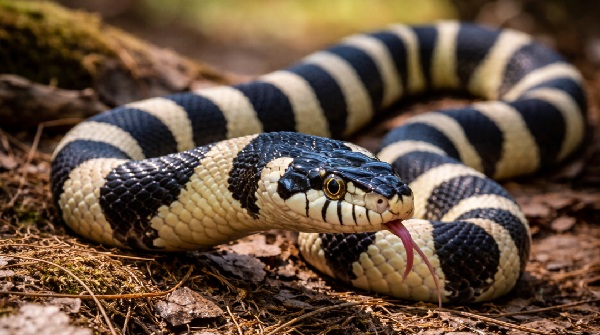
The Zebra Snake is a venomous species known for its distinctive black and white stripes.
Quick Facts
- Type: Animal species
- Diet: Carnivorous, primarily feeding on small mammals, birds, and other reptiles
- Habitat: Savannas, grasslands, and open woodlands in Africa
- Lifespan: Typically 10 to 15 years in the wild
- Conservation status: Least Concern, but habitat loss poses a threat
Overview
The Zebra Snake, scientifically known as Naja nigricollis, is a strikingly beautiful and highly venomous snake found primarily in Africa. Its distinctive black and white banding not only makes it a visual marvel but also serves as a warning to potential predators. This article delves into the unique characteristics, habitat, behavior, and conservation status of the Zebra Snake, providing a comprehensive overview of this fascinating species.
Zebra Snakes belong to the family Elapidae, which includes some of the most venomous snakes in the world. Their unique coloration is not just for show; it plays a crucial role in their survival. The Zebra Snake's venom is neurotoxic, affecting the nervous system of its prey, which primarily consists of small mammals, birds, and other reptiles. Found in various habitats across Africa, these snakes are adaptable and can thrive in different environments, although they prefer savannas and grasslands. Despite their dangerous reputation, Zebra Snakes play an essential role in their ecosystems, helping to control the populations of their prey.
Physical Characteristics
Zebra Snakes are easily recognizable due to their unique coloration and physical attributes.
- Distinctive black and white banding that resembles a zebra's stripes
- Average length of 4 to 6 feet, with some individuals reaching up to 8 feet
- Smooth scales that give them a sleek appearance
- A narrow head with large, round eyes
Habitat and Distribution
Zebra Snakes inhabit a variety of environments across Africa, showcasing their adaptability.
- Primarily found in sub-Saharan Africa, including countries like Kenya, Tanzania, and South Africa
- Prefer open grasslands, savannas, and lightly wooded areas
- Can also be found near water sources, where they hunt for prey
- Adaptable to different climates, from arid regions to more humid environments
Behavior and Diet
The Zebra Snake is an active hunter, employing various techniques to capture its prey.
- Primarily diurnal, hunting during the day
- Uses ambush tactics to surprise prey, striking with speed and accuracy
- Diet consists mainly of small mammals, birds, and occasionally other reptiles
- Venom is neurotoxic, causing paralysis in prey, making it easier to consume
Conservation Status
While currently listed as Least Concern, Zebra Snakes face threats from habitat loss.
- Population stable, but habitat destruction due to agriculture and urbanization is a concern
- Protected in some regions, but illegal hunting poses a risk
- Conservation efforts focus on habitat preservation and public awareness
- Education about the importance of snakes in ecosystems is crucial for their survival
Myths and Misconceptions
Zebra Snakes are often misunderstood, leading to myths about their behavior and danger.
- Commonly mistaken for other venomous snakes due to their appearance
- Many people fear them without understanding their ecological role
- Education can help dispel myths and promote coexistence with these snakes
- Zebra Snakes are generally not aggressive unless provoked
Keeping Zebra Snakes as Pets
While fascinating, keeping a Zebra Snake requires knowledge and responsibility.
- Not recommended for novice snake owners due to their venomous nature
- Requires a specialized habitat with temperature and humidity control
- Diet must consist of appropriately sized prey, typically rodents
- Potential legal restrictions on ownership in certain areas
FAQ
Are Zebra Snakes aggressive?
Zebra Snakes are generally not aggressive but will defend themselves if threatened.
How can you identify a Zebra Snake?
Zebra Snakes are identified by their distinctive black and white stripes and slender body.
What is the primary diet of a Zebra Snake?
Zebra Snakes primarily feed on small mammals, birds, and other reptiles.
Where do Zebra Snakes live?
Zebra Snakes are found in various habitats across sub-Saharan Africa, including savannas and grasslands.
How dangerous is a Zebra Snake's venom?
The venom of a Zebra Snake is neurotoxic and can be dangerous to humans, but bites are rare.
Related Articles
References (General)
- Britannica — general species background
- National Geographic — wildlife overview articles
- IUCN Red List — conservation status reference