Zebra Mussel
An invasive species that has transformed aquatic ecosystems across North America.
What are zebra mussels and where did they come from?
How do zebra mussels impact local ecosystems?
What measures can be taken to control zebra mussel populations?
Below you’ll find clear answers to all of these—plus practical facts, behavior insights, and habitat details.
Dreissena polymorpha
Zebra mussels are small, freshwater bivalves known for their distinctive striped shells and significant ecological impact.
Quick Facts
- Type: Animal species
- Diet: Filter feeder, primarily consuming plankton
- Habitat: Freshwater lakes, rivers, and reservoirs
- Lifespan: 3 to 5 years
- Conservation status: Invasive species, not endangered
Overview
Zebra mussels, scientifically known as Dreissena polymorpha, are small freshwater bivalves that have gained notoriety as one of the most invasive species in North America. Originally from the Caspian and Black Sea regions, these mollusks were first identified in the Great Lakes in the 1980s and have since spread rapidly across the continent, causing significant ecological and economic impacts.
Characterized by their distinctive striped shells, zebra mussels are filter feeders that thrive in freshwater environments. Their rapid reproduction rates and ability to attach to various surfaces allow them to outcompete native species for resources. This article explores the biology, ecological impact, and management strategies related to zebra mussels, providing a comprehensive understanding of this invasive species.
Biology and Characteristics
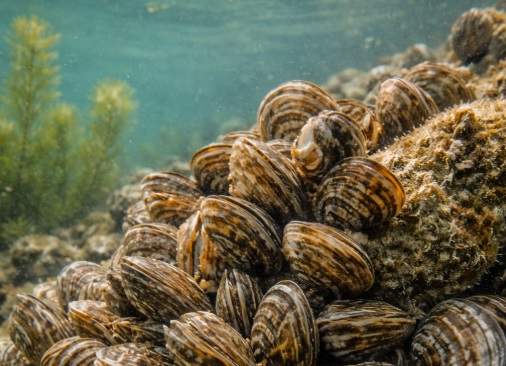
Zebra mussels are small, typically measuring about 1 to 2 inches in length, with a distinctive striped pattern that gives them their name. They have a hard, calcified shell that is often yellowish or brown in color, with dark zigzag stripes.
- Size: 1 to 2 inches in length
- Color: Yellowish to brown with dark stripes
- Reproductive rate: Can produce up to one million eggs per female annually
- Attachment: Use a byssal thread to cling to surfaces
Ecological Impact
The introduction of zebra mussels into North American waters has led to significant ecological changes. Their feeding habits and reproductive success have disrupted local ecosystems, leading to declines in native species.
- Compete with native species for food and habitat
- Filter large volumes of water, altering nutrient dynamics
- Can cause declines in fish populations due to reduced food availability
- Impact on aquatic vegetation and overall biodiversity
Economic Consequences
Zebra mussels not only affect ecosystems but also have substantial economic implications. Their ability to clog water intake systems has led to costly maintenance and repairs for industries and municipalities.
- Clog water pipes and intake systems, increasing maintenance costs
- Damage boats and recreational equipment
- Impact fisheries and tourism industries
- Cost of control measures can be significant
Management and Control Strategies
Efforts to manage zebra mussel populations include prevention, monitoring, and control measures. Public awareness and education are crucial in preventing their spread.
- Regular monitoring of water bodies for early detection
- Public education on cleaning boats and equipment
- Chemical treatments and biological control methods
- Legislation to prevent the transport of zebra mussels
Conclusion
Zebra mussels represent a significant challenge for ecosystems and economies alike. Understanding their biology and impact is essential for effective management and control.
- Awareness and education are key to prevention
- Ongoing research is needed to develop effective control methods
- Collaboration among stakeholders is crucial for success
FAQs about Zebra Mussels
Common questions about zebra mussels and their impact on ecosystems and economies.
- What are the signs of zebra mussel infestation?
- How can I prevent zebra mussels from spreading?
- Are there any natural predators of zebra mussels?
FAQ
What are zebra mussels and where did they come from?
Zebra mussels are small bivalve mollusks native to the Caspian and Black Sea regions. They were first discovered in North America in the Great Lakes in the 1980s.
How do zebra mussels impact local ecosystems?
Zebra mussels compete with native species for food and habitat, filter large volumes of water, and can lead to declines in fish populations and overall biodiversity.
What measures can be taken to control zebra mussel populations?
Control measures include regular monitoring, public education on cleaning boats, chemical treatments, and legislation to prevent their spread.
What are the signs of zebra mussel infestation?
Signs include the presence of small, striped shells on surfaces, clogged water intake systems, and changes in local aquatic life.
How can I prevent zebra mussels from spreading?
You can prevent their spread by cleaning and drying boats and equipment before moving them between water bodies.
Are there any natural predators of zebra mussels?
While some fish and invertebrates may consume zebra mussels, they do not have significant natural predators that control their populations.
Related Articles
References (General)
- Britannica — general species background
- National Geographic — wildlife overview articles
- IUCN Red List — conservation status reference