Lynx
Birthday Wishes
- May this year unfold new horizons for you, Lynx, filled with exciting adventures and meaningful discoveries.
- Wishing you a day wrapped in tranquility and a year blossoming with endless opportunities.
- May every moment today reflect the extraordinary light you bring into the lives around you.
- Here’s to your dreams taking flight and your spirit soaring to unprecedented heights.
- Let this birthday mark the beginning of a chapter steeped in wisdom and radiant happiness.
- May the coming year be your canvas, painted with bold colors and refined grace.
- Embrace this new age, Lynx, with courage and a heart open to the wonders ahead.
- Wishing you strength in challenges and delight in all your triumphs.
- May laughter and calm companionship accompany you through every step you take.
- On this special day, may the universe conspire to fulfill your most cherished aspirations.
Short Messages
- Wishing you brilliance and peace today.
- Celebrate your journey with joy, Lynx.
- Here’s to another year of excellence.
- May happiness crown your every day.
- Your light shines brighter this year.
- To new memories and cherished moments.
- Grace and growth guide your path.
- Cheers to a year of triumphs.
- May your soul dance with delight.
- Celebrate boldly, live fully today.
Heartfelt Messages
- In celebrating you, Lynx, we honor the depth of your kindness and the strength within your spirit.
- May your birthday ignite a profound sense of purpose and fill your heart with enduring peace.
- This day reminds us how deeply your presence enriches the lives around you.
- Wishing you moments that touch your soul and memories that last a lifetime.
- May life’s gentle blessings surround you, offering comfort and inspiration each day.
- Your journey is a testament to resilience and grace; may this year add to that beautiful story.
- As you turn another page, may your heart be filled with gratitude and abundant love.
- May the silent whispers of hope and joy accompany you endlessly in the coming year.
Funny Messages
- Another year wiser? Or just another year better at pretending?
- Happy birthday, Lynx! May your cake be as sweet as your sarcasm.
- Here’s to aging like a fine book—sometimes confusing but always intriguing.
- Birthdays: nature’s way of telling us to eat more cake, guilt-free.
- Wishing you more fun than your age in candles can handle.
- Smile! You’re one year closer to that senior discount.
Messages for Friends
- To a friend as unique as your spirit, may this year bring endless laughter and adventures.
- Thank you for the friendship that brightens every day; happy birthday, Lynx.
- Here’s to countless more memories shared and countless more waiting to be made.
- May your birthday be as genuine and inspiring as your friendship has been to me.
- You bring warmth and joy to all around you; may that return multiplied this year.
- Cheers to the friend whose heart is as wild and true as their name.
Messages for Family
- Wishing a dear family member a birthday filled with love, laughter, and cherished moments.
- Your presence is a treasured thread in the fabric of our family; happy birthday, Lynx.
- May the bonds of family wrap you in comfort and joy today and always.
- Here’s to celebrating you, whose heart makes our family whole and strong.
- Sending warm hugs and deep affection on your special day, dear Lynx.
- May your birthday be a reflection of the love and support you give so freely.
Messages for a Partner
- In you, I find both my refuge and my inspiration; happy birthday, Lynx.
- May this day be as radiant and heartfelt as the love we share.
- Each moment with you is a gift; may your birthday be equally precious.
- Your presence colors my life in hues of joy and warmth; happy birthday, love.
- Here’s to you, my partner in dreams and life’s beautiful journey.
- Wishing you a year filled with the love and happiness you so deeply deserve.
Messages for Colleagues
- Wishing you continued success and fulfillment in the coming year, Lynx.
- Happy birthday to an inspiring colleague whose dedication is unmatched.
- May this year bring fresh opportunities and professional achievements.
- Thank you for your hard work and the positive energy you bring daily.
- Wishing you a balanced year of productivity and well-deserved rest.
- Here’s to growth, collaboration, and many more milestones together.
Acrostic Birthday Poem for Lynx
Light dances softly upon your path today,
Years have shaped a soul both fierce and kind,
Nestled in moments of joy and whispered dreams,
Xenial heart, welcoming all with grace.
WhatsApp & SMS
- Happy birthday, Lynx—shine on!
- Enjoy every moment today.
- Cheers to your special day.
- Wishing you pure happiness.
- Celebrate life’s finest moments.
- May joy fill your year.
- Keep sparkling, Lynx!
- Another year, new adventures.
- Sending birthday hugs your way.
- Live, laugh, love today.
Instagram Captions
- Another year of brilliance for Lynx.
- Celebrating a life well-lived.
- New age, new dreams, same amazing Lynx.
- Grace in every moment.
- Turning the page to a fresh chapter.
- Born to stand out, always.
- Today, the spotlight is all yours.
- Woven with courage and kindness.
- Here’s to chasing stars and catching dreams.
- Forever young in spirit and heart.
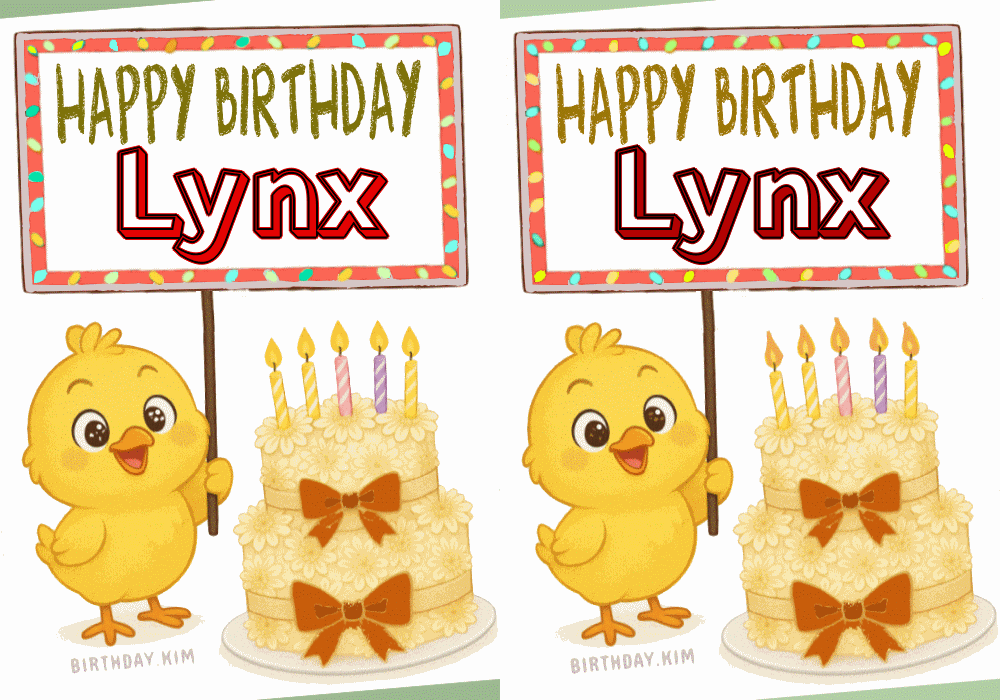
Premium Birthday Message: On this remarkable day, Lynx, the tapestry of your life unfurls another vibrant thread, rich with new dreams, memories, and aspirations. Your presence weaves elegance with strength, inspiring those fortunate enough to know you. May this year gift you moments of profound joy and quiet reflection, where every experience deepens the beauty of your journey. As you step forward, may wisdom and passion illuminate your path, and may your heart always find its home in serenity and fulfillment. Happy birthday to a soul as unique and captivating as the name you bear.