

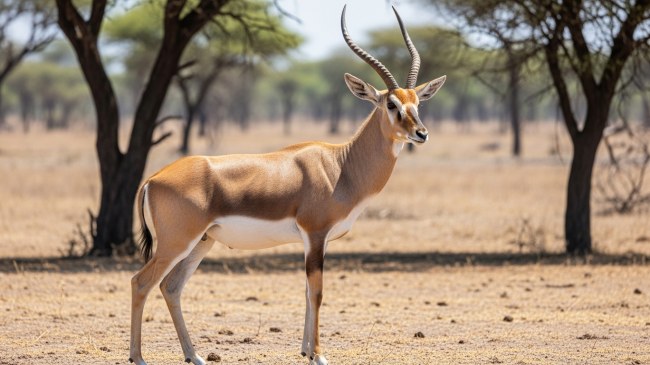
Antelope
Antelopes are among the most graceful and agile animals on the planet, known for their incredible speed and stunning beauty. These herbivorous mammals are not only fascinating to observe in the wild but also play a crucial role in their ecosystems.
- What are the different species of antelope?
- How fast can an antelope run?
- What do antelopes eat?
Below you’ll find clear answers to all of these—plus practical care, health, and lifestyle notes.
Bovidae
Antelopes are swift and agile herbivores found primarily in Africa and parts of Asia.
Quick Facts
- Type: Mammal
- Diet: Herbivore
- Habitat: Grasslands, savannas, and woodlands
- Lifespan: 10 to 20 years in the wild
- Conservation status: Varies by species; some are endangered due to habitat loss and poaching.
Overview
Antelopes are a diverse group of herbivorous mammals belonging to the family Bovidae, which also includes sheep, goats, and cattle. They are primarily found in Africa, with some species inhabiting parts of Asia. Known for their remarkable speed and agility, antelopes have adapted to a variety of habitats, from open grasslands to dense woodlands. With over 90 species, antelopes exhibit a wide range of sizes, colors, and behaviors, making them a fascinating subject of study for wildlife enthusiasts and researchers alike.
Diversity of Antelope Species
Antelopes are not a single species but a diverse group of animals with various adaptations and characteristics.
- There are over 90 species of antelope, ranging from the tiny dik-dik to the large eland.
- Common species include the impala, gazelle, kudu, and springbok.
- Each species has unique adaptations suited to its environment, such as coloration, size, and social behavior.
Physical Characteristics
Antelopes are known for their elegant bodies, long legs, and impressive horns, which vary significantly among species.
- Most antelopes have slender bodies and long legs, allowing them to run at high speeds.
- Horns are present in many species, with males typically having larger and more curved horns than females.
- Their coats can vary in color, often serving as camouflage in their natural habitats.
Behavior and Social Structure
Antelopes exhibit a range of social behaviors, from solitary living to forming large herds, depending on the species.
- Some species, like the impala, are highly social and form large herds for protection against predators.
- Others, like the kudu, are more solitary or live in small family groups.
- Antelopes communicate through vocalizations, body language, and scent marking.
Diet and Feeding Habits
As herbivores, antelopes primarily feed on grasses, leaves, and shrubs, playing a vital role in their ecosystems.
- Antelopes are ruminants, meaning they have a specialized stomach that allows them to digest tough plant material efficiently.
- Their diet varies by species and habitat, with some preferring grasses while others may eat leaves and fruits.
- Antelopes help maintain the health of their ecosystems by grazing, which promotes new plant growth.
Habitat and Distribution
Antelopes are found in a variety of habitats across Africa and parts of Asia, each adapted to their specific environment.
- They inhabit grasslands, savannas, woodlands, and even mountainous regions.
- Some species are migratory, traveling long distances in search of food and water.
- Habitat loss and poaching pose significant threats to many antelope species.
Conservation Status
The conservation status of antelopes varies widely, with some species thriving while others face extinction.
- Species like the African antelope are abundant, while others, such as the saiga antelope, are critically endangered.
- Conservation efforts include habitat protection, anti-poaching measures, and breeding programs in captivity.
- Public awareness and education are crucial for the protection of these magnificent animals.
Interesting Facts
Antelopes are not only beautiful but also possess unique adaptations and behaviors that make them fascinating creatures.
- Some antelopes can reach speeds of up to 60 miles per hour, making them one of the fastest land animals.
- The name ‘antelope’ is often used to describe a variety of species, but they are not a taxonomic group.
- Antelopes have excellent eyesight and can detect predators from great distances.
Conclusion
Antelopes are remarkable animals that contribute significantly to their ecosystems and captivate those who observe them.
- Their diversity and adaptability make them a vital part of the wildlife community.
- Understanding and protecting antelopes is essential for maintaining ecological balance.
- These graceful creatures continue to inspire awe and admiration in wildlife enthusiasts worldwide.
FAQ
What are the different species of antelope?
There are over 90 species of antelope, including the impala, gazelle, kudu, and springbok, each with unique characteristics.
How fast can an antelope run?
Some antelope species can run at speeds of up to 60 miles per hour, making them incredibly agile and fast.
What do antelopes eat?
Antelopes are herbivores, primarily feeding on grasses, leaves, and shrubs, depending on their species and habitat.
Are antelopes endangered?
The conservation status of antelopes varies; some species are abundant, while others face threats from habitat loss and poaching.
How do antelopes communicate?
Antelopes communicate through vocalizations, body language, and scent marking to convey information to each other.
Can antelopes be kept as pets?
Antelopes are wild animals and are not suitable as pets; they require vast spaces and specific diets to thrive.
References (General)
- Britannica — general species background
- National Geographic — wildlife overview articles
- IUCN Red List — conservation status reference


