

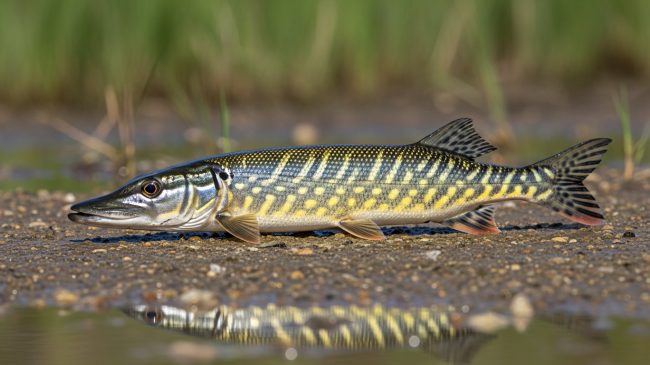
Chain Pickerel
The Chain Pickerel: A Fierce Predator of North American Waters
What makes the Chain Pickerel a unique species among freshwater fish?
How can anglers effectively catch Chain Pickerel?
What are the best habitats for Chain Pickerel?
Below you’ll find clear answers to all of these—plus practical facts, behavior insights, and habitat details.
Esox niger
The Chain Pickerel is a striking freshwater fish known for its sharp teeth and aggressive hunting style.
Quick Facts
- Type: Animal species
- Diet: Carnivorous, primarily feeding on smaller fish and invertebrates
- Habitat: Freshwater lakes, rivers, and swamps across North America
- Lifespan: Typically 5 to 7 years, but can live longer in optimal conditions
- Conservation status: Least Concern
Overview
The Chain Pickerel (Esox niger) is a captivating freshwater fish that thrives in the waters of North America. Known for its vibrant coloration and predatory nature, this species is a favorite among anglers and nature enthusiasts alike. In this article, we will explore the unique characteristics, habitat, behavior, and fishing techniques associated with the Chain Pickerel.
The Chain Pickerel is a member of the Esocidae family, which includes other pike species. It is easily recognizable by its elongated body, sharp teeth, and distinctive chain-like markings on its sides. This fish is primarily found in the eastern United States and parts of Canada, favoring shallow waters with abundant vegetation. As a carnivorous predator, the Chain Pickerel plays a vital role in maintaining the ecological balance of its habitat. Its aggressive hunting style and keen eyesight make it a formidable opponent for both prey and anglers.
Physical Characteristics
The Chain Pickerel is notable for its striking appearance, which aids in its predatory lifestyle.
- Elongated body shape with a pointed snout
- Distinctive chain-like markings that vary in color from green to brown
- Sharp, needle-like teeth designed for gripping slippery prey
- Can grow up to 30 inches in length, though most are smaller
Habitat and Distribution
Understanding the Chain Pickerel's preferred habitats is crucial for both conservation and fishing.
- Commonly found in freshwater lakes, rivers, and swamps
- Prefers areas with abundant vegetation for cover and hunting
- Distributed across the eastern United States and parts of Canada
- Thrives in warm, shallow waters, often near lily pads and submerged structures
Behavior and Diet
The Chain Pickerel is an aggressive predator, employing unique hunting techniques.
- Primarily feeds on smaller fish, such as minnows and sunfish
- Utilizes ambush tactics, hiding among vegetation before striking
- Active during the day, particularly in the early morning and late afternoon
- Can be territorial, especially during spawning season
Fishing Techniques
Anglers often seek the Chain Pickerel for its challenging catch and delicious taste.
- Best caught using lures that mimic small fish or invertebrates
- Topwater lures can be particularly effective during warmer months
- Fishing near vegetation or submerged structures increases chances of success
- Use strong fishing line to handle the Pickerel's sharp teeth
Conservation Status
While the Chain Pickerel is currently not threatened, habitat preservation is essential.
- Listed as Least Concern by the IUCN, indicating stable populations
- Habitat destruction and pollution pose potential risks
- Conservation efforts focus on maintaining healthy freshwater ecosystems
- Anglers are encouraged to practice catch and release to sustain populations
Culinary Uses
The Chain Pickerel is not only a sport fish but also a culinary delight.
- Flesh is white, flaky, and mild in flavor, making it a popular choice for cooking
- Can be prepared in various ways, including frying, baking, and grilling
- Care should be taken to remove bones, as Pickerel have a unique bone structure
- Local recipes often highlight the fish's delicate flavor
FAQ
What is the average size of a Chain Pickerel?
Most Chain Pickerel range from 18 to 24 inches in length, although some can grow up to 30 inches.
Are Chain Pickerel good to eat?
Yes, Chain Pickerel are considered good eating fish, with a mild flavor and flaky texture.
How can I identify a Chain Pickerel?
Look for its elongated body, sharp teeth, and distinctive chain-like markings on its sides.
What time of year is best for fishing Chain Pickerel?
Spring and early summer are typically the best times for fishing Chain Pickerel, as they are more active during these seasons.
Do Chain Pickerel have any natural predators?
Yes, larger fish, birds of prey, and even humans can be natural predators of Chain Pickerel.
Related Articles
References (General)
- Britannica — general species background
- National Geographic — wildlife overview articles
- IUCN Red List — conservation status reference


